How Long Do Results From Fotona Laser Treatments Last?
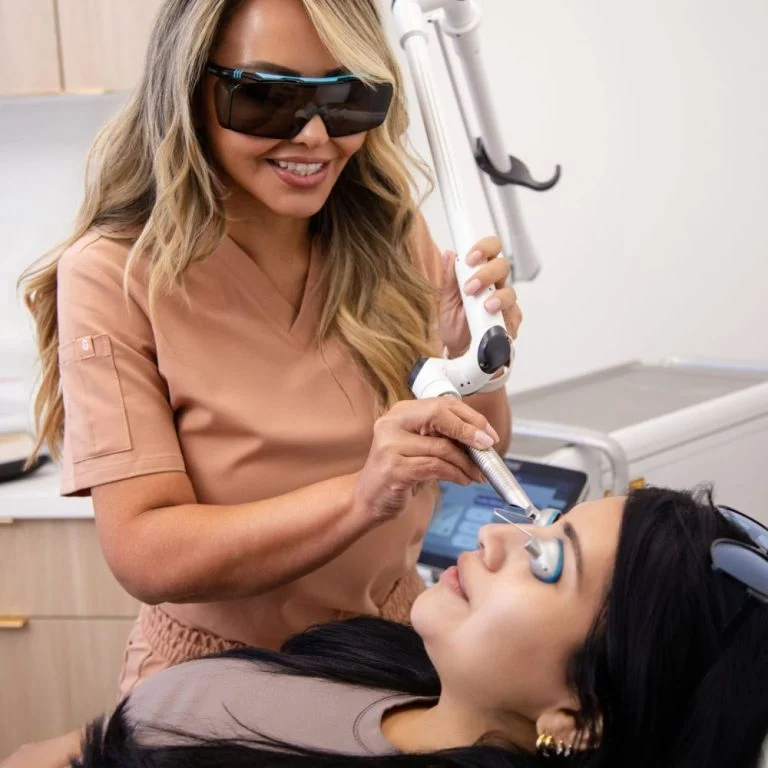
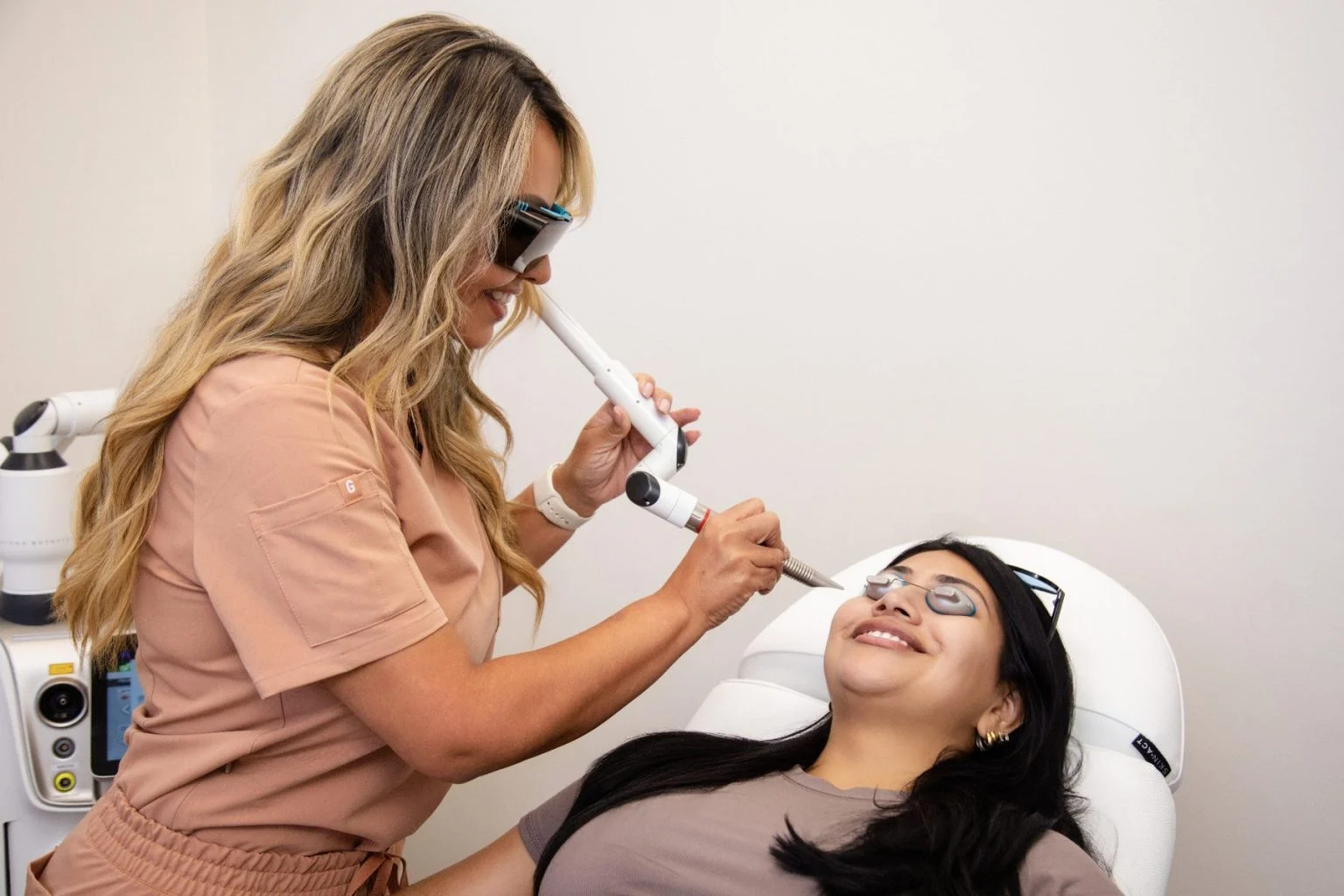
One of the most common questions patients ask before booking a laser appointment is simple and reasonable: how long will the results actually last? With Fotona laser treatments, the answer depends on what is being treated, how your skin behaves over time, and how realistic your expectations are at the start.
That last point matters more than many people think. Laser treatments can produce excellent changes in tone, texture, laxity, scarring, pigmentation, and even intimate wellness concerns, but no laser freezes biology. Skin continues to age. Collagen rises and falls. Sun exposure leaves its mark. Weight fluctuations, hormones, smoking, sleep, stress, and genetics all keep working in the background. A good practitioner will tell you that longevity is never just about the machine. It is about the machine, the protocol, the patient, and what happens after the appointment.
Fotona systems have earned a strong reputation because they are versatile and because they allow providers to tailor treatment depth, pulse duration, and thermal effect with precision. That versatility is also why there is no single shelf life for results. Someone treating acne scars with a series of ablative sessions will not have the same timeline as someone doing a collagen-stimulating facelift protocol or a maintenance session for skin rejuvenation.
The better way to think about it is by category: what you treated, how many sessions you had, and whether the result is corrective, stimulatory, or maintenance-based.
The short answer, before the nuance
For many patients, visible results from Fotona Laser Treatments last anywhere from several months to a few years. Surface-level improvements such as glow or mild tightening may soften within months if they are not maintained. Structural improvements like collagen remodeling, scar revision, and certain vascular or pigment corrections can last much longer, often a year or more, sometimes several years, provided the underlying issue does not return and the skin is protected.
That broad range is not a hedge. It reflects how these treatments work. Some effects come from immediate tissue contraction or exfoliation. Others emerge gradually as collagen remodels over two to six months. Some concerns, like sunspots, can clear beautifully but return if the patient continues heavy UV exposure. Others, like acne scar improvement, are often more durable because the laser is changing the skin structure itself.
Why Fotona results do not all age the same way
A patient who says, “My friend had Fotona and looked great for a year,” is usually missing half the story. Which treatment did the friend have? How old was their skin? Were they treating laxity, redness, scars, enlarged pores, or active acne? Did they complete a series or stop after one session because they had an event coming up? Those details shape durability.
In practice, longevity tends to follow the biology of the issue being treated. If the problem is dynamic and ongoing, such as collagen loss with aging, maintenance is part of the plan. If the problem is a discrete lesion or a stable textural issue, the result may hold longer. A sunspot that was effectively treated can stay gone, but the same person may develop new spots nearby after another summer of unprotected sun. A resurfacing treatment that improves crepey skin can look impressive at six months, then slowly blend into the natural aging process over the next year.
This is why experienced clinicians speak in timelines, not promises.
Skin rejuvenation and overall texture, usually months to a year, often longer with upkeep
Many people seek Fotona laser treatments for general skin rejuvenation. They want brighter tone, smoother texture, refined pores, and a fresher appearance without surgery. In these cases, the initial post-treatment glow may show up quickly, often within days to a few weeks, depending on the protocol. The deeper improvement, especially from collagen stimulation, takes longer.
For basic rejuvenation protocols, patients often notice that the best result settles in over two to three months. That improvement can remain visible for six to twelve months, sometimes longer if the skin is well maintained. Age plays a role here. A patient in their late thirties with mild sun damage https://maps.app.goo.gl/qXD4j3287tCBo42W7 and decent skin elasticity usually holds results longer than someone in their late sixties with thin, photodamaged skin and ongoing collagen loss.
There is also a practical reality that clinics see every day: people who commit to maintenance almost always report longer-lasting satisfaction than people who treat once and disappear. That does not mean the treatment “stopped working.” It means skin quality is cumulative. The laser starts the process, but skincare, SPF, and timing matter.
Tightening and collagen remodeling, often around a year, sometimes more
Fotona is frequently used in non-surgical facial tightening protocols because it can heat tissue in a way that encourages collagen remodeling. Some tightening comes from immediate contraction, but the more meaningful change tends to build over time. Patients often feel disappointed if they judge the outcome too early. The six-week mark may be encouraging, but the three- to six-month window is usually more revealing.
How long does that tighter look last? A typical answer is around nine to twelve months after a complete series, with plenty of individual variation. In some patients, especially those with mild to moderate laxity and strong baseline skin quality, the effect can remain noticeable longer. In others, particularly those with significant laxity or heavier tissue descent, the benefit may be real but shorter-lived.
One of the most common mismatches in aesthetic medicine happens here. A patient with advanced jowling or neck laxity wants a laser to perform like surgery. It can improve, refine, and stimulate, but it cannot replicate the longevity or magnitude of a surgical lift. When expectations are set correctly, patients are often quite happy. When they expect a one-time laser session to deliver a three-year surgical effect, disappointment is almost built in.
Acne scars and textural scars, among the more durable outcomes
Scar treatment is a category where results often last well because the goal is structural change. With acne scars, the laser is not just making the skin look temporarily polished. It is prompting remodeling in scarred tissue. That process takes time and usually requires a series, but once improvement is achieved, it is generally long-lasting.
This is not the same as saying scars disappear forever after one round. Deeper boxcar or rolling scars may soften significantly rather than vanish. Ice pick scars are often more stubborn and may require combination approaches. Still, when a patient completes a thoughtful treatment plan, the gains can persist for years because the skin architecture has been altered.
The caveat is active acne. If someone continues to break out and scar after the laser series, new scars can develop. In that situation, the treatment worked on old scars, but the condition creating new ones was not controlled. That distinction matters. Long-term scar success depends on addressing both the damage and the cause.
Pigmentation, long-lasting if protected, frustratingly brief if not
Pigmented lesions respond very differently depending on what they are. Some discrete sunspots or superficial pigment patches improve nicely and may stay clear for a long time. Melasma is another story. It is notoriously relapsing, hormone-sensitive, and easily reactivated by heat, UV, and inflammation.
With straightforward sun damage, many patients enjoy results for a year or longer, especially if they wear daily sunscreen and limit cumulative sun exposure. Patients who spend the next season tanning, golfing without protection, or forgetting SPF at the beach often see recurrence much sooner. In those cases, the issue is not that the laser failed. The skin was re-exposed to the trigger that caused the pigment in the first place.
With melasma-prone patients, caution is essential. Laser can be part of management, but nobody experienced with pigment would describe melasma correction as permanently solved. It is better viewed as controlled for a period, then maintained carefully.
Vascular concerns and redness, often durable but sometimes requiring follow-up
Redness, visible vessels, and certain vascular lesions can respond well to laser, and the treated vessel itself may be gone for good. But the tendency to form new vessels, flush easily, or develop rosacea-related redness can persist. That means results can be durable in the treated area while the overall condition remains chronic.
This is an important distinction in consults. A patient might say, “The broken capillaries came back.” Sometimes they did not actually come back. Instead, nearby vessels developed over time, creating the impression of relapse. Maintenance sessions can help, especially in rosacea-prone individuals or people with ongoing triggers like heat, alcohol, vigorous exercise, or chronic sun exposure.
Intimate wellness treatments, often around a year with maintenance
Fotona is also used in gynecologic and intimate wellness applications, including concerns like mild stress urinary incontinence, vaginal laxity, and postmenopausal tissue changes. In that area, many providers quote results lasting around twelve months after an initial series, though some patients choose maintenance earlier and some remain satisfied longer.
What affects durability here is tissue quality, hormonal status, age, childbirth history, and symptom severity. A woman in early perimenopause with mild symptoms may hold improvement differently from someone postpartum or many years into menopause. Again, biology matters more than marketing language.
Hair and active acne, not exactly one-and-done categories
Some patients lump all laser results together, but hair reduction and acne management deserve their own framing. Hair reduction is long-lasting, often substantial, and very worthwhile, but hormonal influences can lead to regrowth over time. Maintenance sessions are common.
Active acne treatment is also not permanent in the strict sense, because acne is a chronic inflammatory condition with hormonal, bacterial, and sebaceous drivers. Laser can help reduce inflammation, support healing, and improve marks, but if the internal triggers remain active, flare-ups may return.
The treatment plan matters more than most people realize
There is a big difference between the lifespan of results after one session and the lifespan after a complete, properly spaced series. Clinics often see patients compare themselves unfairly with online before-and-after photos without realizing that the “after” image may represent three or four sessions plus excellent home care.
In real-world practice, durability is usually better when the treatment plan includes the right cadence. That often means an initial series followed by maintenance, rather than sporadic sessions done only when the patient remembers or has an event approaching.
A simple way to think about it is this:
- Corrective work, such as scars or deeper resurfacing, tends to aim for longer-term structural improvement.
- Rejuvenation work, such as glow, mild tightening, and texture refinement, often benefits from periodic maintenance.
- Conditions driven by lifestyle or biology, such as acne, melasma, or vascular redness, may improve significantly but still need ongoing management.
- One treatment rarely tells the whole story, especially for collagen stimulation.
That is not sales language. It is how tissue responds.
What shortens the life of Fotona results
Patients often focus on what the laser can do, but less attention goes to what quietly erodes the result afterward. If a treatment seems to wear off quickly, the cause is often a mix of aging, behavior, and mismatch between the chosen protocol and the actual concern.
Several factors regularly shorten longevity. The first is UV exposure, which remains the most predictable way to undo pigment and collagen gains. The second is smoking or heavy nicotine use, which compromises healing and accelerates breakdown of connective tissue. The third is poor skincare, especially skipping daily sunscreen and using harsh products too soon after treatment. The fourth is incomplete treatment, where the patient stops after one session despite being advised that a series is needed. The fifth is unrealistic expectations, especially when severe laxity or deep textural issues are being treated conservatively.
A patient in her forties once described her resurfacing result as “gone in three months.” On closer questioning, the treatment had clearly improved fine lines and texture, but she had also spent two weeks in intense sun, wore sunscreen inconsistently, and resumed smoking after the procedure. The laser did its part. Her habits overwhelmed the benefit.
What helps results last longer
The patients who hold their results best are rarely doing anything dramatic. They are just consistent. Daily broad-spectrum sunscreen is the non-negotiable baseline. Thoughtful skincare, especially retinoids when appropriate, antioxidants, and barrier support, extends the benefits of resurfacing and collagen stimulation. Maintenance appointments at sensible intervals keep gains from fading too far before the next intervention.
Sleep, nutrition, and avoiding tobacco matter more than many cosmetic patients expect. So does timing. If someone waits until their skin has slid far back toward baseline, the next treatment has to play catch-up. When they come in for maintenance at a reasonable interval, results tend to look smoother and more stable over time.
How to judge your own likely timeline
During consultations, a few questions usually predict longevity better than age alone. What exactly is being treated? How severe is it? Is the issue static or ongoing? How disciplined will you be with aftercare and sun protection? Are you doing one session for a wedding, or are you open to a proper series and maintenance?
These questions often matter more than the specific marketing name attached to the treatment. A healthy patient with mild laxity, realistic expectations, and consistent SPF may be delighted with yearly maintenance. Another patient with severe textural damage, active breakouts, and frequent sun exposure may need more intervention and more follow-up to stay happy with the result.
Signs your results are fading versus normal adaptation
Patients sometimes panic when the very fresh, post-treatment look softens. That is not always loss of results. Swelling, surface smoothness, and the early brightness after laser can create a temporary peak that naturally settles. The more meaningful benchmark is how your skin looks several weeks to months later, once healing has matured.
True fading tends to show up as a gradual return of rough texture, visible pores, pigment recurrence, or laxity becoming more noticeable over time. Normal adaptation is simply the skin transitioning from the immediate post-procedure phase into its longer-term baseline improvement. A good provider helps patients understand that difference upfront.
Questions worth asking before treatment
The best way to get a realistic sense of duration is not to ask, “How long does Fotona last?” in the abstract. Ask more specific questions. What result should I expect from one session versus a series? When will I see peak improvement? What maintenance schedule makes sense for my skin? What could cause my result to fade sooner? If I stop after the initial plan, what will remain and what will gradually decline?
These are better questions because they move the conversation away from generic claims and toward your actual skin.
So, how long do results last?
For most patients, results from Fotona Laser Treatments last long enough to make them worthwhile, but not so long that maintenance becomes irrelevant. Surface improvements may hold for months. Collagen-based improvements often remain visible around a year, sometimes longer. Scar revision and structural changes can be among the most durable outcomes. Pigment and redness can improve impressively, though recurrence depends heavily on the underlying cause and patient behavior.
The longest-lasting results tend to come from three things working together: an appropriate treatment plan, a provider who matches the protocol to the problem, and a patient who protects the investment afterward.
That may not be the flashy answer, but it is the honest one. In aesthetic medicine, honesty usually ages better than hype.
OMNIA Wellness Center
Address: 16430 Ventura Blvd Ste 207, Encino, CA 91436
Phone number: +18183868511
FAQ About Fotona Laser Treatments
What is a Fotona laser good for?
A Fotona Laser system is a versatile, dual-wavelength medical laser used primarily for non-surgical skin tightening, anti-aging rejuvenation, and dermatological treatments.
How much does the Fotona laser cost?
The cost of a Fotona laser depends heavily on whether you are looking to purchase a laser machine for a medical practice or are a patient seeking a laser treatment at a medspa.
Is a Fotona laser worth it?
A Fotona laser treatment is generally worth it if you want non-surgical skin tightening, improved texture, and collagen stimulation with very little downtime.